From Decay to Form








《腐泥成器》装置项目
     “腐”只是一个状态。是一个临界点——向下是消散,向上是重组。
     它是一个被忽视、被搁置、甚至被放弃的状态。拉胚师傅随时丢弃的腐泥像极了某些阶段被自己或环境判定为“无用”或“低价值”的人。但它本质上并没有消失,它只是暂时没有被使用。
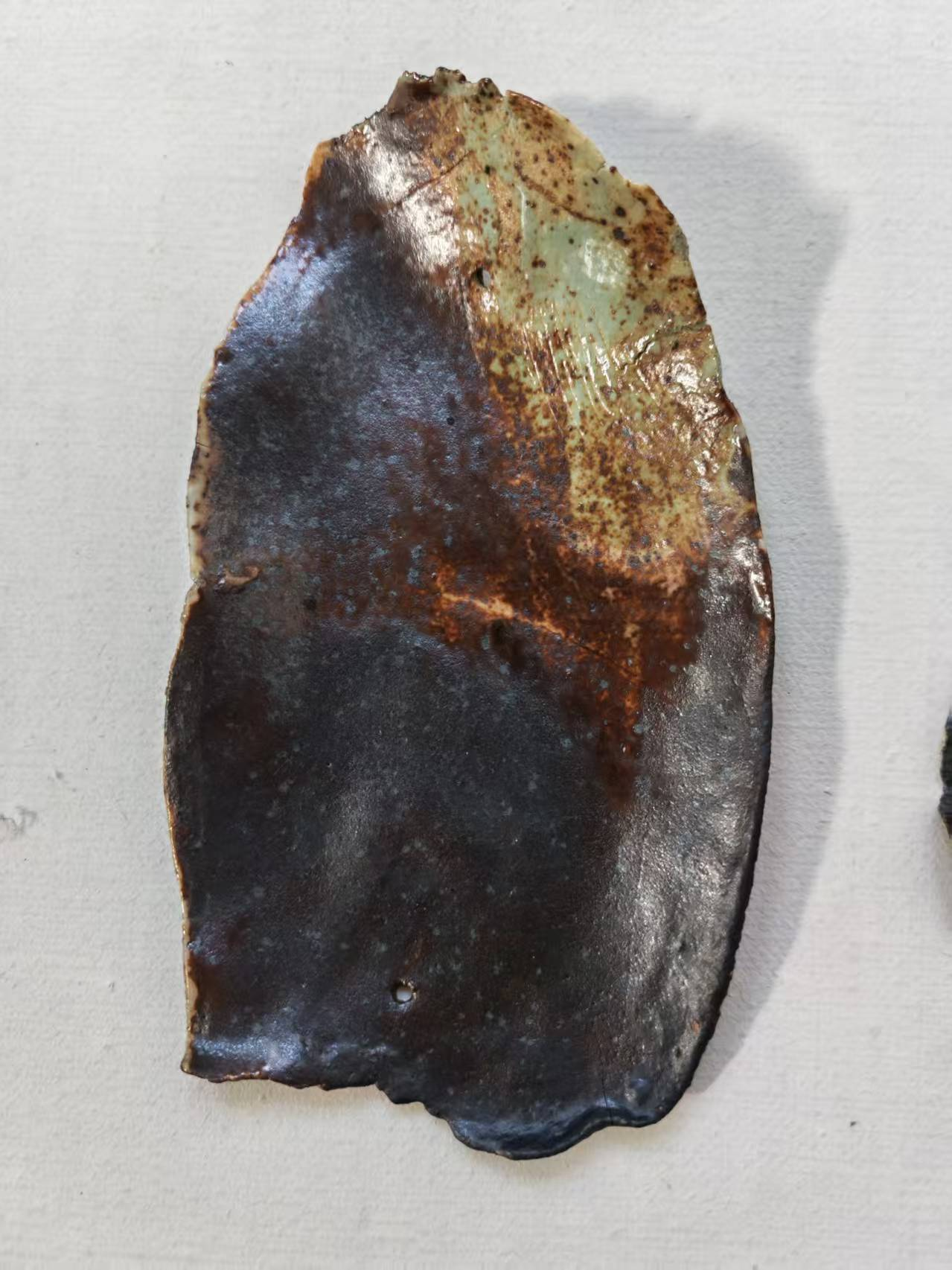
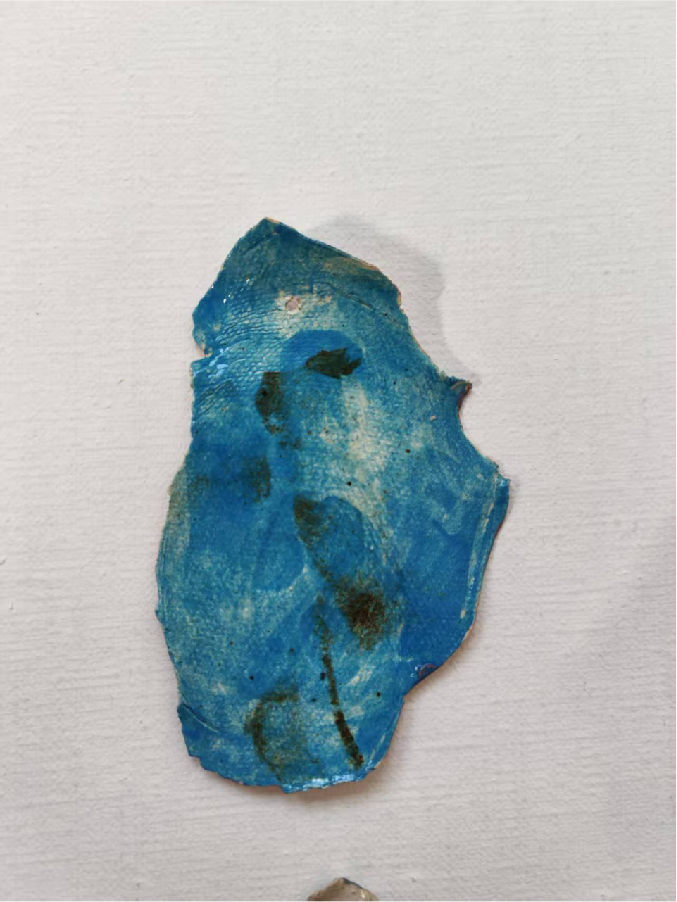
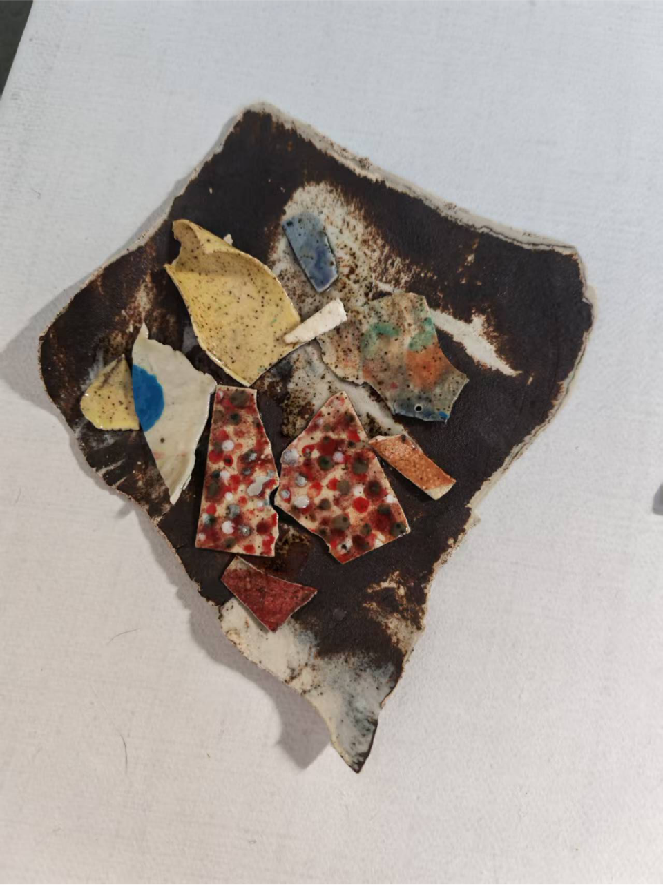
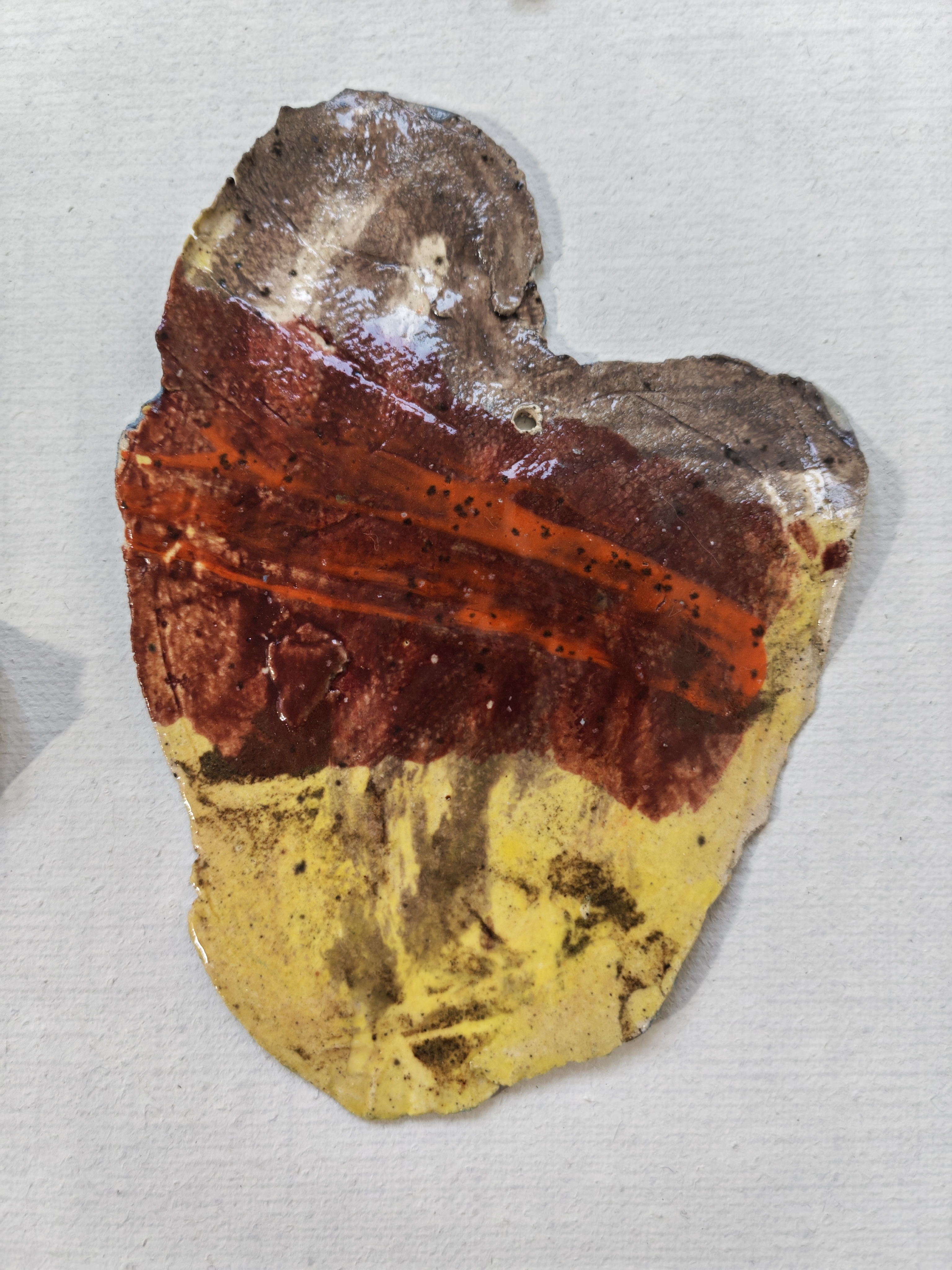
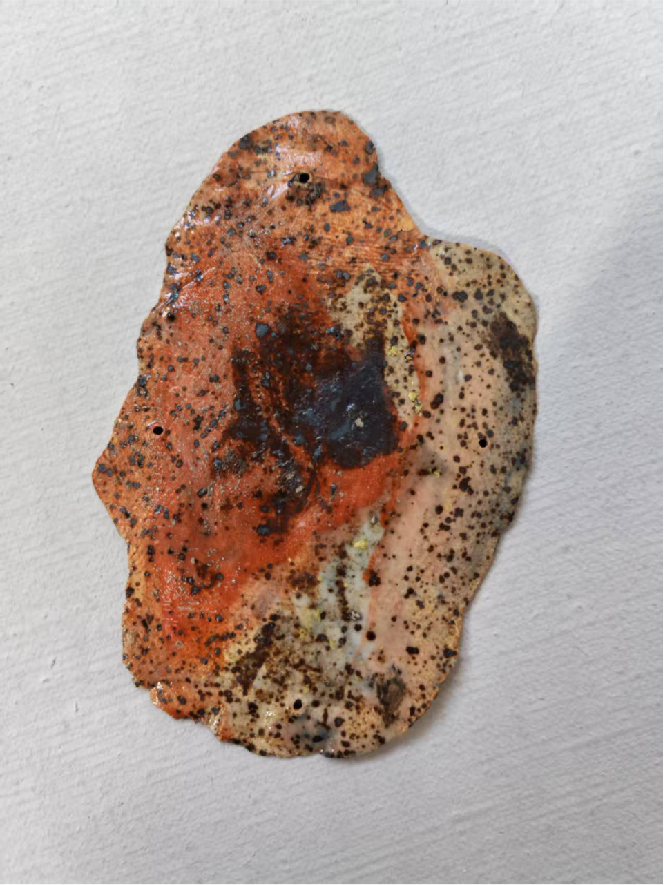
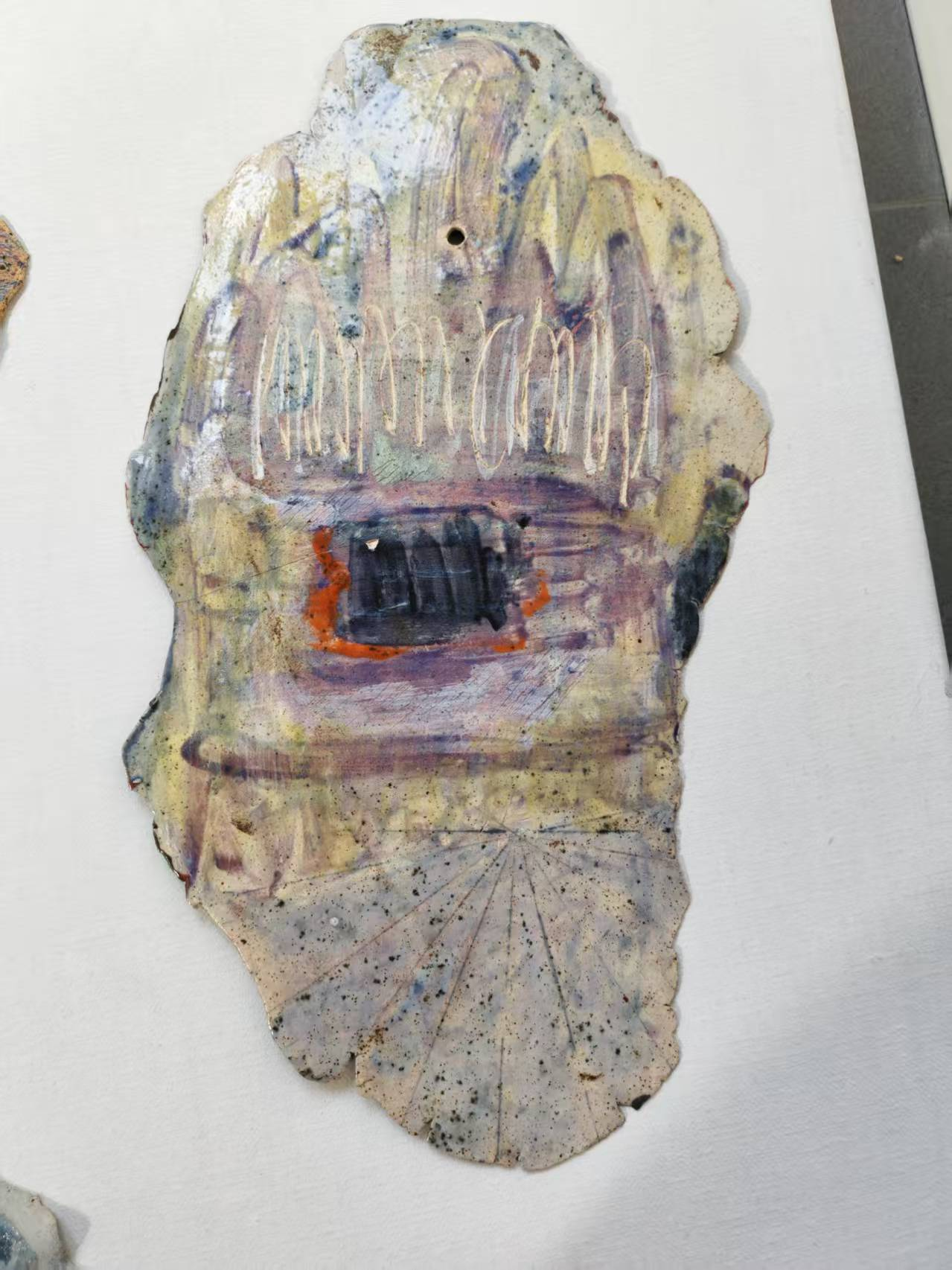
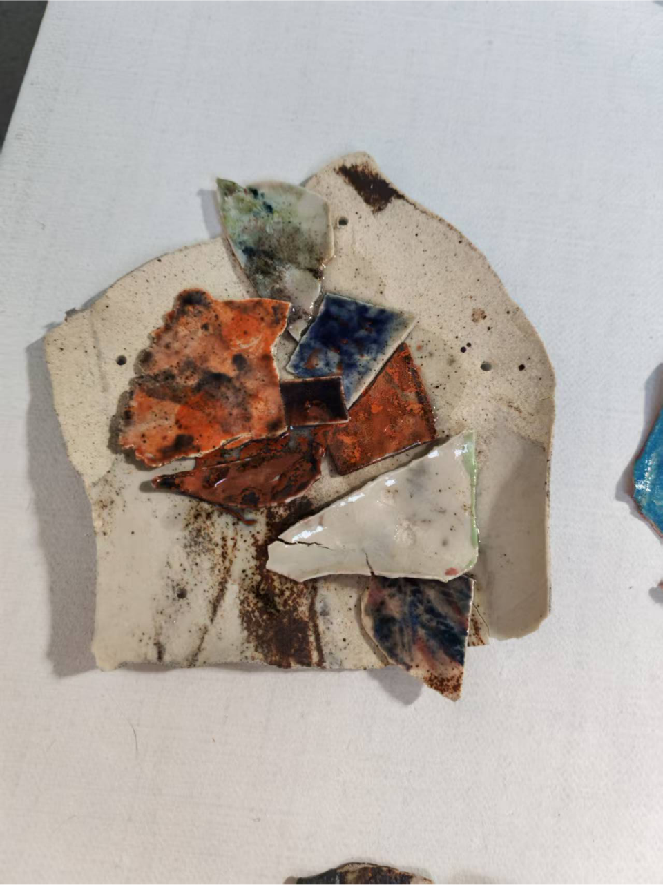
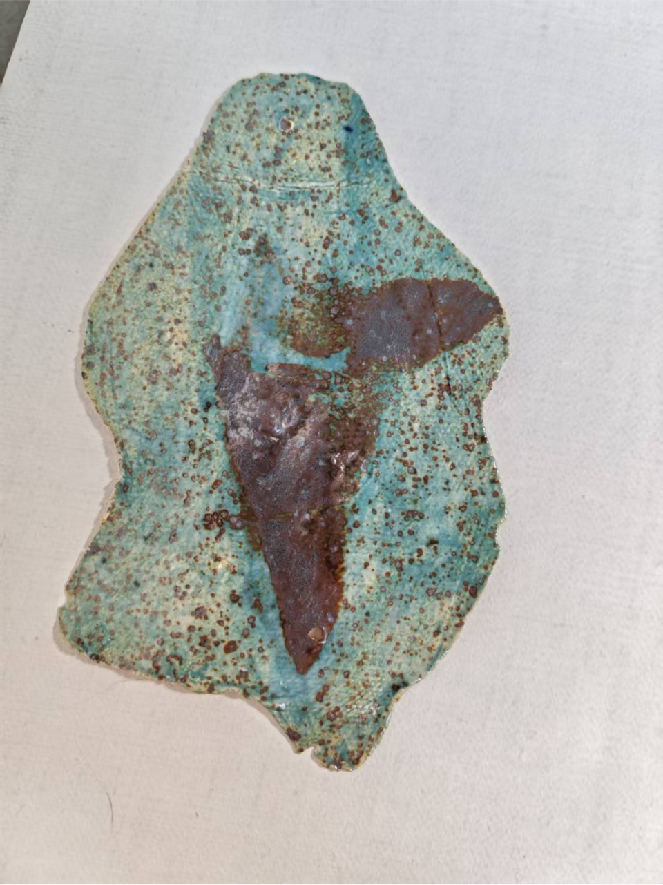
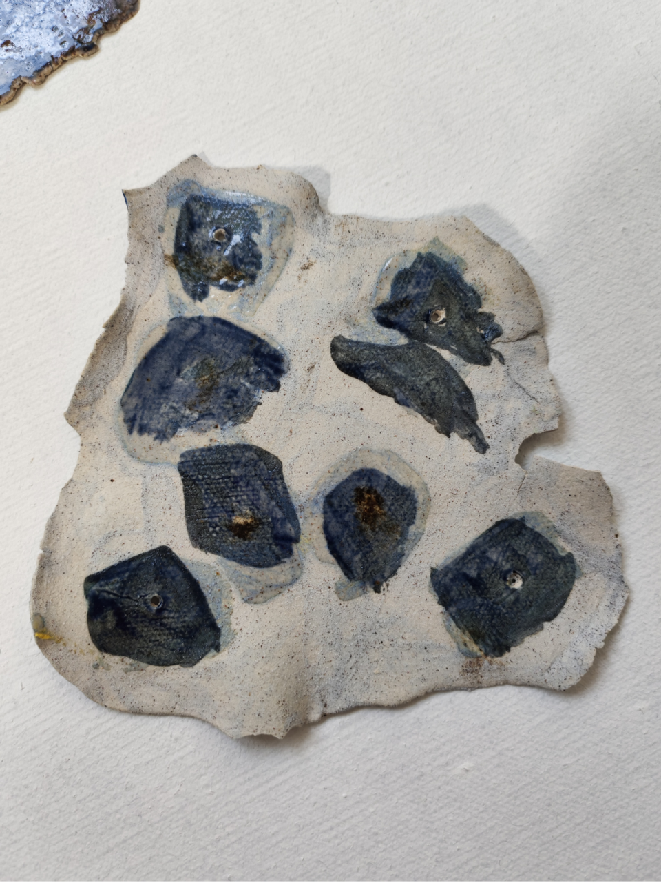
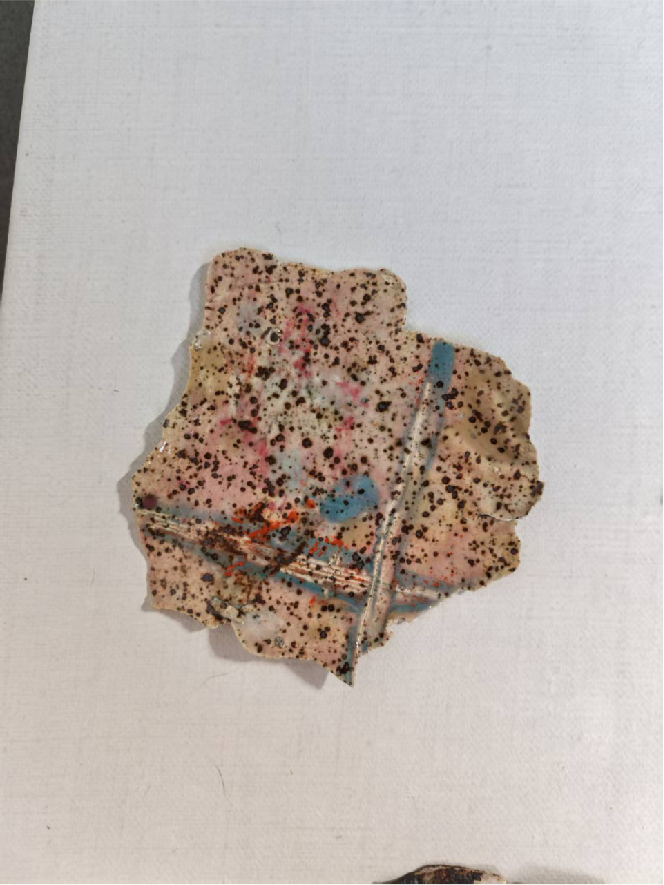
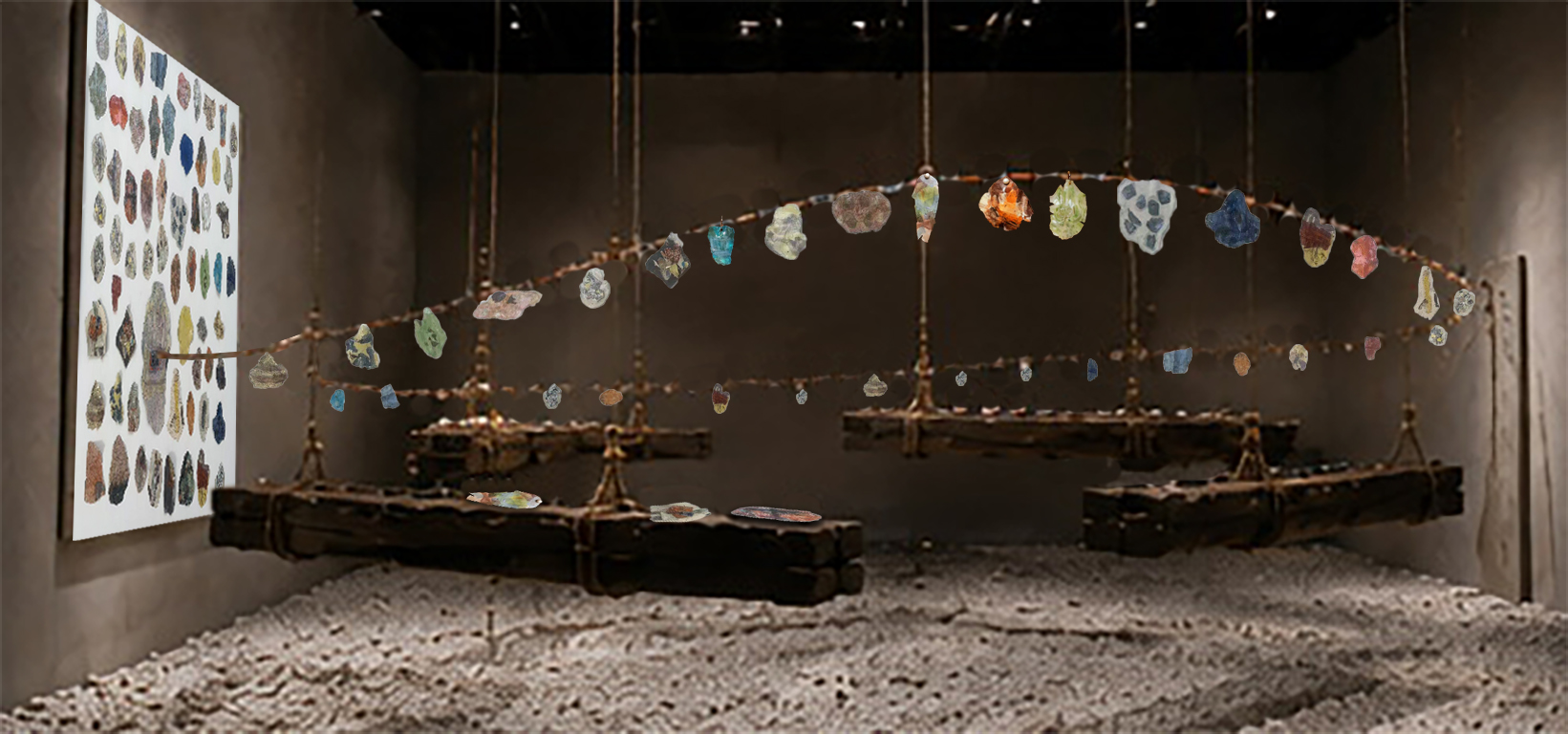
所以“腐”被看成是一种被低估的存在阶段。捡回来的泥经过微微的梳理打磨装点就会变成小而美的瓷片甚至做成可以贴近脸颊的耳环,它们每个都是独一无二的。所以在作品里他们有自己不同的编号。以示它们“成器”。而“成器”,也不是成功,它只是重新进入了一个被看见的状态。 在作品中加入被铁路废弃的枕木,它从“轨道支撑”转变为“状态承载体”,是从功能性系统中脱离的物质重新进入另一种关系结构。铜丝本身具有氧化性,其颜色与质感会随时间发生变化,使其同时成为“连接体”与“时间痕迹体”。手工或碎裂瓷片被穿插于铜丝与木结构之间。瓷片承载“成器”后的状态,同时保留裂纹、烧制痕迹与不完整性,使其处于“完成与未完成之间”的状态。它在空间中既是结构,也是流动的视觉轨迹。墙面绘画作为结构起点与终点,铜丝从画布中“生长”并最终回归画布。平面与空间之间形成相互转化关系,使二维图像成为三维结构的起源与回流点。地面铺设白色碎石,观众行走其上会产生细微“沙沙声”。这一声音系统使空间产生听觉维度,同时观众的行走行为会留下短暂痕迹,使身体成为作品的一部分。
《腐泥成器》试图讨论以下几个问题: •状态是否可以脱离固定分类而被重新理解? •有用”与“无用”是否只是不同观看方式下的结果? •被忽视之物是否仍在持续生成意义? •物质如何在时间中不断转化自身的存在方式? 在这一过程中,“腐”与“成器”不再是对立概念,而是同一循环中的不同阶段。
From Decay to Form — Installation Project
“Decay” is only a state. A threshold point — downward lies dissolution, upward lies reconfiguration.
It is a condition often overlooked, abandoned, or dismissed. The discarded clay thrown away by potters resembles those phases in which people are judged by themselves or by society as “useless” or “low in value.” Yet in essence, it has not disappeared; it is merely temporarily unused.
Therefore, “decay” is understood here as an underestimated stage of existence. The reclaimed clay, after subtle reshaping, polishing, and ornamentation, becomes small yet delicate porcelain fragments, even earrings that rest close to the cheek. Each piece is unique, and thus each carries its own number within the work — a sign that it has “become form.” But “becoming form” is not equivalent to success; it simply means re-entering a state of being seen.
The installation incorporates abandoned railroad sleepers once used beneath railway tracks. Their role shifts from “supporting a system of movement” to becoming “carriers of states.” Detached from their original functional system, they enter a new relational structure.
Copper wire, inherently prone to oxidation, changes in color and texture over time, becoming both a connective medium and a trace of time itself. Handmade or fractured porcelain pieces are interwoven between the copper wire and wooden structures. These ceramic fragments embody the state of “becoming form,” while retaining cracks, firing marks, and imperfections, existing in a condition between completion and incompletion.
Within the space, the copper wire functions simultaneously as structure and as a flowing visual trajectory. Wall paintings serve as both the origin and destination of the structure: the copper wire appears to “grow” out from the canvas and eventually return to it. A reciprocal transformation emerges between two-dimensional image and three-dimensional space, allowing the flat surface to become both the source and the return point of the spatial structure.
White gravel is spread across the floor. As visitors walk upon it, subtle rustling sounds are produced. This sound system introduces an auditory dimension into the space, while the temporary traces left by footsteps make the viewer’s body part of the work itself.
From Decay to Form attempts to explore several questions: • Can a state exist beyond fixed categories and be understood anew? • Are “useful” and “useless” merely outcomes of different ways of seeing? • Can neglected things continue generating meaning? • How does matter continuously transform its mode of existence through time?
In this process, “decay” and “becoming form” are no longer opposites, but different phases within the same cycle.